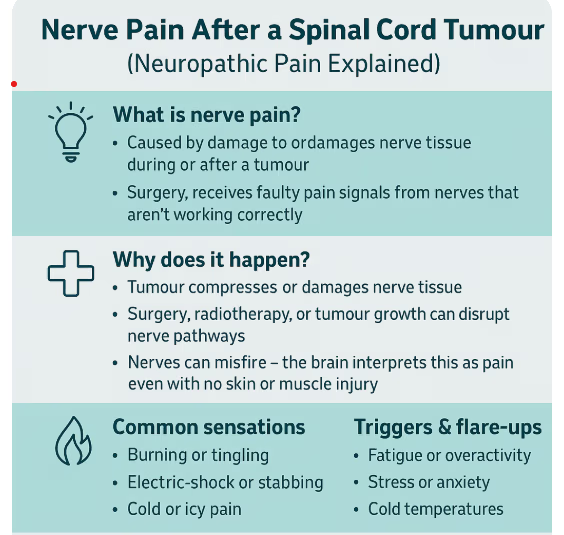
Nerve or neuropathic pain can be commonly associated with a spinal cord tumour, both before and after treatment. This sensation may feel like:
- A tight band or pressure around your torso or limbs (sometimes called a “girdle band” sensation)
- A heavy weight pressing down on you
- A deep, internal ache or throbbing that doesn’t match any physical pressure being applied
Why does this happen?
After SCI, the nerves below the level of injury can misfire, sending faulty pain signals to the brain. This is due to:
- Damaged or irritated nerve fibres
- Disrupted communication between the spinal cord and brain
- Central sensitisation, where the nervous system becomes more sensitive to stimuli
The sensation could be triggered or worsened by:
- Fatigue or overexertion
- Cold weather or dampness
- Stress or poor sleep
- Menstrual cycle (in women)
- Bowel or bladder issues (like retention or constipation)
- Inflammation or minor infections (even a UTI)
Usually, it’s not dangerous, but it can be debilitating and distressing. It’s worth ruling out:
- Autonomic Dysreflexia (if your injury is above T6) — this is a medical emergency.
- Infection or pressure sores — sometimes internal pain sensations mask early signs of these.
What helps?
Everyone is different, but some people find relief with:
- Neuropathic pain medications (e.g. gabapentin, pregabalin, amitriptyline or duloxetine)
- Heat or cold packs (with care due to reduced sensation)
- Gentle movement/stretching
- Resting more
- Relaxation techniques or mindfulness
- TENS or neuromodulation therapies
- Diet, hydration, and bowel/bladder management
Heat Packs – Why they help:
- Relax tight muscles that may be reacting to nerve dysfunction
- Improve blood flow to irritated areas
- Calm the nervous system and help “distract” the brain from faulty pain signals
- Best for:
- Deep aching, squeezing, or pressure sensations
- Spasms or stiffness
Think of heat as soothing and loosening when your body feels like it’s being crushed or clenched.
Cold Packs – Why they help:
- Numb the area and reduce inflammation
- May help if the pain feels sharp, burning, or stabbing
If you have reduced sensation, there’s a higher risk of skin injury or frostbite
Safety Tips :
- Always use a barrier (like a towel) between your skin and the pack
- Limit use to 15–20 minutes at a time
- Monitor your skin carefully, especially if your sensation is impaired
- Test carefully: if one makes the pain worse, stop immediately
As ever, if you are struggling with persistent nerve pain problems please refer to your medical practitioner.