
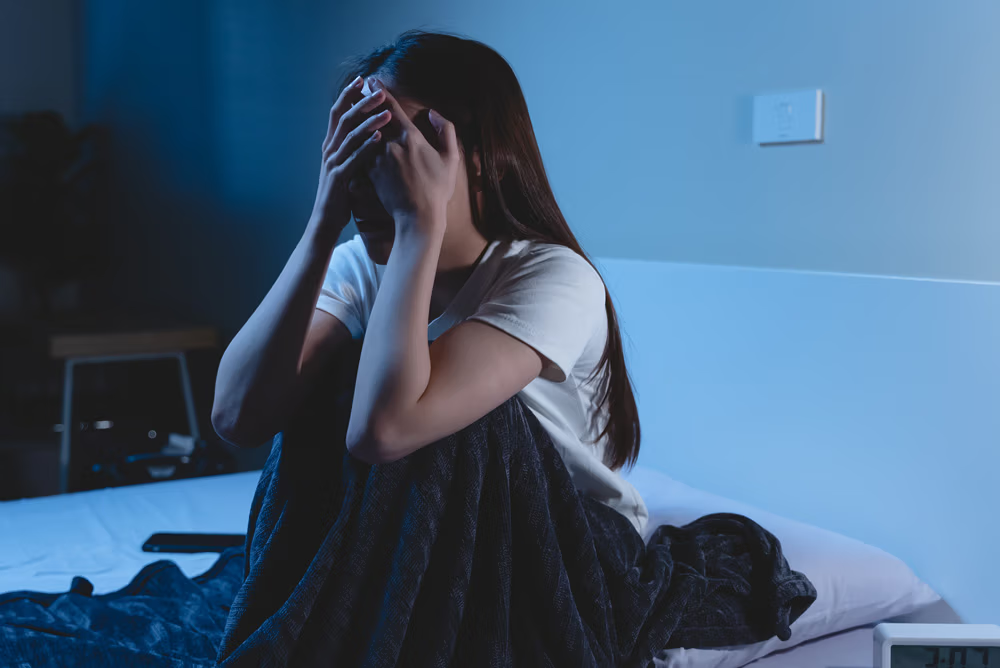
Before my spinal cord tumour surgery, sleep was something I rarely thought about. I could generally go to bed, sleep through the night and wake feeling reasonably refreshed. Since my operation, however, a full uninterrupted night’s sleep has often felt much harder to achieve.
Over the years I have heard from others who describe similar experiences, particularly those whose tumours were high in the cervical (neck) region. It made me wonder whether sleep-related problems may be another long-term effect that is not always fully recognised.
Everyone’s experience is different, but many people describe:
- waking frequently during the night
- difficulty getting comfortable in bed
- muscle tightness or spasms disturbing sleep
- nerve pain or burning sensations
- needing to reposition regularly
- bladder issues interrupting sleep
- feeling exhausted despite spending enough hours in bed
- vivid dreams or restless sleep
- daytime fatigue and brain fog
Why might this happen?
The spinal cord plays an important role in transmitting signals between the brain and body. When a tumour and surgery affect the spinal cord, especially in the upper cervical area. It can leave lasting changes in nerve signalling, muscle tone and autonomic functions that may indirectly affect sleep.
For some people, muscle stiffness and spasticity become more noticeable at night when the body is less active. Others find that altered sensation, nerve discomfort or temperature sensitivity make it difficult to stay comfortable for long periods.
Bladder dysfunction can also play a major role. Many spinal cord tumour patients experience urgency, retention or the need to catheterise, all of which can fragment sleep patterns over time.
There may also be less obvious neurological factors involved. The cervical spinal cord sits close to pathways involved in breathing, posture and autonomic regulation. Some people report snoring, shallow sleep or waking feeling unrefreshed even after many hours in bed. In some cases, sleep apnoea or breathing-related sleep disorders may contribute.
The emotional side should not be overlooked either. Living with a spinal cord injury or neurological condition can place the body in a prolonged state of tension and hyper-alertness. Chronic pain, uncertainty about symptoms and the effort required simply to move around each day can all impact sleep quality.
One of the frustrations is that fatigue after spinal cord tumour surgery is often misunderstood. It is not simply “being tired”. People may experience a deep neurological exhaustion that can fluctuate from day to day depending on pain levels, temperature, stress, infections, bowel or bladder problems and overall physical exertion.
Personally, I have found that sleep quality can worsen during periods of increased pain, stress or overheating. On better days, when my body feels calmer and less inflamed, sleep is often noticeably improved.
Although there is no universal solution, some people find the following helpful:
- maintaining a regular sleep routine
- keeping the bedroom cooler
- managing pain and spasticity before bed
- gentle stretching earlier in the evening
- reviewing bladder management routines
- checking for possible sleep apnoea if snoring or waking unrefreshed
- pacing physical activity to avoid neurological overload
Most importantly, people should not feel they are imagining these problems. Sleep disruption after a spinal cord tumour appears to be a very real issue for many individuals, particularly following cervical tumours and long-term spinal cord injury.
It would be valuable to hear whether others in the spinal cord tumour community have experienced similar long-term sleep difficulties and what strategies, if any, have helped them.
One Response
Very relatable article