
Processing Emotions After a Spinal Cord Tumour
Living with the effects of a spinal cord tumour can be as much an emotional journey as it is a physical one. Surgery, radiotherapy, or the tumour itself can leave lasting changes in the body due to nerve damage. These changes often affect mobility, bladder and bowel control, sensation, or fatigue levels — all of which can impact daily life in different ways.
The Emotional Impact
It’s common to feel a mix of emotions following treatment. Relief that the tumour has been treated may sit alongside frustration, sadness, or even anger about the ongoing challenges. Many people describe a sense of loss for the life they once had, or anxiety about the future. These feelings are natural responses to a major health event and the uncertainty that nerve damage can bring.
Why Feelings Can Be So Intense
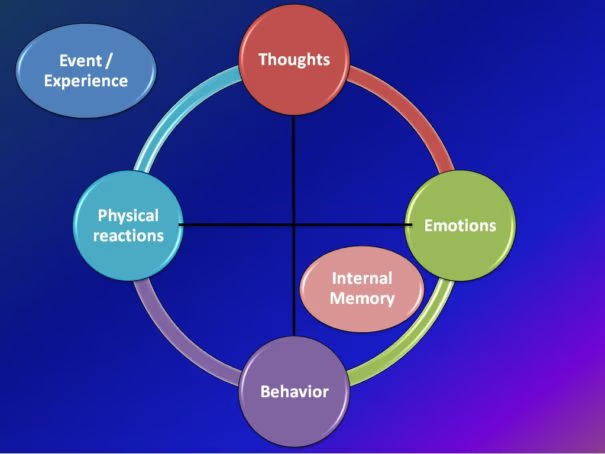
Our physical and emotional health are closely connected. Nerve damage not only changes how the body works, but it can also affect how people feel about themselves. Everyday tasks may take longer, require support, or simply feel different. Adjusting to these changes takes time and can be mentally exhausting.
Strategies for Processing Emotions
- Acknowledge your feelings: Allow yourself to recognise frustration, sadness, or fear as valid parts of your recovery.
- Talk openly: Sharing your experiences with trusted family, friends, or a peer support group can ease the sense of isolation.
- Professional support: Counselling or psychological therapy can provide tools to manage worry, grief, or low mood.
- Mind–body practices: Relaxation techniques such as mindfulness, gentle yoga, or breathing exercises may help to calm both physical tension and emotional stress.
- Celebrate progress: Noticing even small improvements — such as walking a few extra steps, managing fatigue, or gaining confidence with daily tasks — can shift focus toward what is possible.
Moving Forward
Processing emotions after a spinal cord tumour is not about “getting over it,” but about finding ways to live with the changes while still holding on to hope and identity. Everyone’s journey is different, and there is no set timeline. What matters is recognising that emotional wellbeing is just as important as physical recovery. With the right support, it is possible to rebuild confidence, find balance, and adapt to a new way of living.
Complementary Wellbeing Techniques
Alongside medical care and emotional support, many people find that wellbeing practices help them cope with the psychological impact of a spinal cord tumour. While these techniques don’t change the underlying nerve damage, they can support mental health and resilience.
Meditation and mindfulness can reduce stress, calm racing thoughts, and help people focus on the present moment rather than on fears or frustrations. Many also find it improves mood and helps them manage chronic pain or fatigue.
Acupuncture, when carried out by a qualified practitioner, may provide relaxation, better sleep, and relief from tension or pain. Even the experience of being cared for in a calm setting can itself feel emotionally supportive.
These techniques can be used alongside professional counselling, peer support, and medical treatment. Everyone responds differently, but for some, they provide valuable tools to reduce anxiety, improve mood, and seek to restore a sense of balance in daily life.